(518) 606-3805
Email via Form
Schedule Free Consultation
Ask Dr. Cale
Login
No apps configured. Please contact your administrator.

Login with your site account

No apps configured. Please contact your administrator.

Lost your password?

Dr. Randy Cale Dr. Randy Cale
    • Neurofeedback
    • Services Offered
      • Brain Mapping Assessment (QEEG)
      • Neurofeedback Brain Training
      • Neurofeedback Training at Home
      • Peak Performance Training for Athletes and Professionals
      • Individual or Family Therapy/Coaching Services
      • Other Services
    • What to Expect?
    • Conditions Treated

          • ADD/ADHD


          • Anxiety & More


          • Autism/Aspergers


          • Depression


          • Insomnia


          • Learning Disabilities


          • Migraines


          • OCD


          • PTSD


          • Seizures and Epilepsy


          • Stroke or Traumatic Brain Injury (TBI)

    • About
    • Blog
    • FAQs
          • What is Neurofeedback Anyway?
          • How Does Neurofeedback Work?
          • How Long Before I See Results?
          • Why is Neurofeedback So Effective?
          • Why Neurofeedback Is Effective with So Many Psychological Disorders?
          • Home Training Neurofeedback
          • What Conditions Are Responsive to Neurofeedback?
          • Will My Insurance Cover Neurofeedback?
          • How Neurofeedback Can Help Your Family?
          • Does Neurofeedback Improve Neuroplasticity?
          • Can Neurofeedback Improve Mental Performance?
          • Mendi vs MyndLift vs Neurofeedback?
          • Is Neurofeedback Going To Change Personality?
          • What is PEMF or Pulsed Electo-Magnetic Field Theory?
          • Will Neurofeedback Work for Me in Albany NY?
          • Anxiety, COVID, and Neurofeedback
          • Neurofeedback for Anxiety
          • Sleep and Neurofeedback
          • ADHD Kids Driving Crazy
    • Neurofeedback
    • Services Offered
      • Brain Mapping Assessment (QEEG)
      • Neurofeedback Brain Training
      • Neurofeedback Training at Home
      • Peak Performance Training for Athletes and Professionals
      • Individual or Family Therapy/Coaching Services
      • Other Services
    • What to Expect?
    • Conditions Treated

          • ADD/ADHD


          • Anxiety & More


          • Autism/Aspergers


          • Depression


          • Insomnia


          • Learning Disabilities


          • Migraines


          • OCD


          • PTSD


          • Seizures and Epilepsy


          • Stroke or Traumatic Brain Injury (TBI)

    • About
    • Blog
    • FAQs
          • What is Neurofeedback Anyway?
          • How Does Neurofeedback Work?
          • How Long Before I See Results?
          • Why is Neurofeedback So Effective?
          • Why Neurofeedback Is Effective with So Many Psychological Disorders?
          • Home Training Neurofeedback
          • What Conditions Are Responsive to Neurofeedback?
          • Will My Insurance Cover Neurofeedback?
          • How Neurofeedback Can Help Your Family?
          • Does Neurofeedback Improve Neuroplasticity?
          • Can Neurofeedback Improve Mental Performance?
          • Mendi vs MyndLift vs Neurofeedback?
          • Is Neurofeedback Going To Change Personality?
          • What is PEMF or Pulsed Electo-Magnetic Field Theory?
          • Will Neurofeedback Work for Me in Albany NY?
          • Anxiety, COVID, and Neurofeedback
          • Neurofeedback for Anxiety
          • Sleep and Neurofeedback
          • ADHD Kids Driving Crazy
  • Home
  • All About Life
  • What Can Wait—and What Cannot

All About Life

12 Sep

What Can Wait—and What Cannot
  • By Admin
  • In All About Life, All Posts
  • / Reading Time: 5 minutes
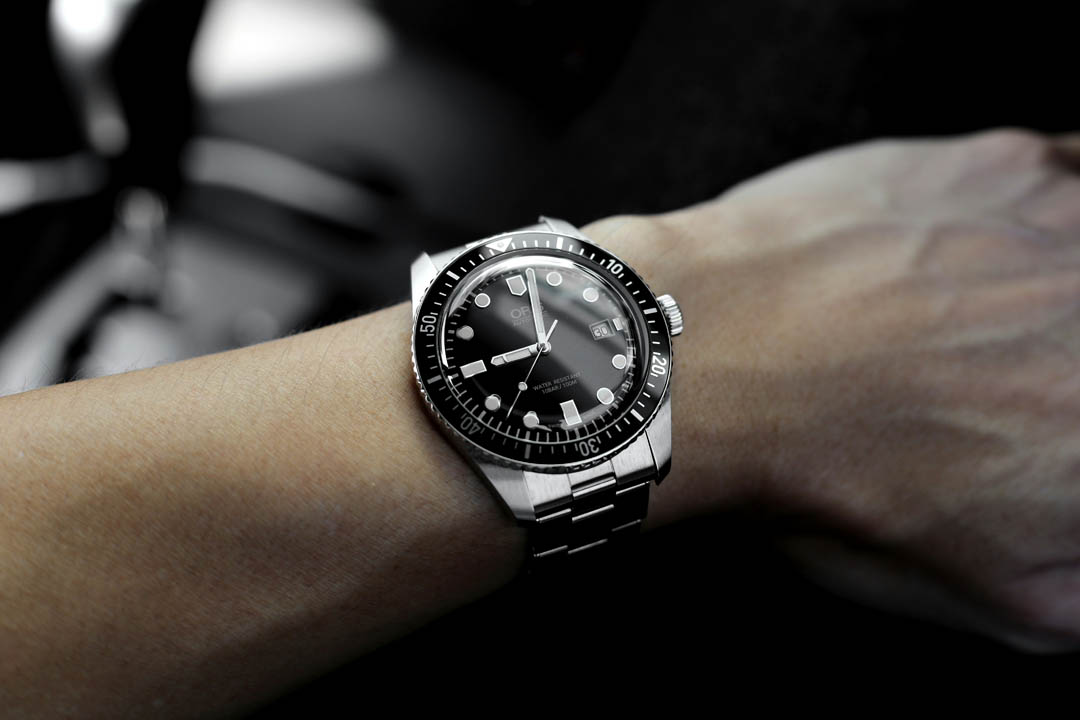
hand-watch-13on-unsplash

“Let me just finish this.”

It is a reasonable thing to say. We have work to complete, messages to answer and responsibilities that do not disappear because someone wants our attention. Yet we can say those five words so often that they become the way we live. We finish one thing, discover another and keep asking the most important parts of our lives to wait.

The email receives an answer. The moment of kindness remains unspoken. We straighten out a billing mistake but postpone calling someone we miss. Somewhere along the way, we make small things huge and huge things small—not necessarily in what we believe, but in what receives our attention.

When Attention Makes Something Feel Important

Research helps explain this. Studies of the “focusing illusion” show that directing attention toward one aspect of life can lead us to exaggerate its importance. Experiments on the “mere urgency effect” found that people sometimes choose tasks with shorter deadlines over those offering greater rewards, even when the urgency provides no real advantage. We are evolving to seek the short-term fulfillment in almost every context researchers explore.

A dangerous trap is exposed here: whatever captures our attention can feel disproportionately more important than it is, while what truly matters quietly waits—and may eventually be lost.

Think of the text that pulls you away from a conversation with a loved one. Think of a comment on social media that distracts you from the work in front of you. Or think of the minor disagreement we keep replaying long after anything useful can be discerned.

The longer something holds our internal attention, the harder it can become to set aside. Without legitimate cause, it rises to the mantle of meaningfulness. Yet an opportunity to enjoy the person beside us slips past.

Beyond asking whether something is urgent or important, we can ask who is directing our attention. Are we choosing, or simply responding to whatever captures us? Some demands legitimately require action. Others consume us because we have become accustomed to answering every text, email or update on Instagram.

Meanwhile, trust, presence, repairing a relationship and expressing affection often offer no immediate signal. We risk letting whatever is most visible decide what deserves us. Opportunities for kindness rarely arrive with a deadline.

We tell ourselves we will make room when things settle down. Most of us have been waiting for that particular week for several decades. A relationship can go without meaningful attention before anyone says something is wrong.

Remembering What Could Not Wait

Two days ago, our nation marked the 25th anniversary of September 11. We remembered those killed, the families who lost them and a day that changed our sense of safety. Travel, public spaces and military life changed in ways that became part of the world our children inherited. For those whose loved ones never came home, the anniversary remains far more personal than a chapter in history.

We also remembered people who understood, under unimaginable circumstances, what could not wait. Firefighters, police officers, emergency personnel and ordinary citizens responded to people in danger. Passengers and crew aboard Flight 93 acted with extraordinary courage. Their actions deserve our enduring respect.

In the years that followed, members of our armed forces and their families accepted demanding responsibilities and sacrifices. Responders and survivors continued living with injuries, illness and grief. We owe them gratitude, but we also owe them attention after the anniversary passes.

Care, Kindness and Thoughtfulness May Not Look Urgent

A ceremony has a date and a time. Supporting a grieving family, listening to a veteran or remaining involved with someone whose health has deteriorated may have neither. Those needs can become easy to postpone precisely because they continue.

The years after tragedy require persistence: returning, checking in, following through. People rebuilding their lives may need help long after others assume they are doing better. Their strength does not make that help unnecessary.

Without comparing everyday difficulties to catastrophic loss, we can recognize this tendency in ourselves. We respond when someone clearly needs us, but less consistently when the need is quiet or familiar. Yet many relationships that sustain us depend on precisely that kind of attention.

Stop Making the Important Wait

We can stop requiring everything important to become urgent before we give it a place. This week, try a few small changes:

  • Question the urgency. Before reacting, ask, “Does this truly need an answer now, or did it hijack my attention?” A genuine emergency needs action. Most of life does not fit that category.
  • Give the important an appointment. Choose one postponed call, conversation or act of appreciation. Decide when you will do it. Give it a place before the week fills itself.
  • Let something less important remain unfinished. Listen while the email waits. Make the call before every chore is complete. We cannot keep reserving relationships for the imaginary moment when nothing else needs doing.
  • Let your children see the choice. If you promise to listen after finishing a task, return as promised. Show them that people matter through dependable attention, not only through words.

There will still be work tomorrow. Someone will need an answer, and something will need fixing. But tonight, before saying, “Let me just finish this,” we can pause and look at the person waiting. And perhaps this time, say, “That can wait sweetheart, I am listening.”

Tags:attentionlifewaiting
  • Share:
Admin

You may also like

arguing-couple-vitaly-gariev-unsplash

I’m Not Arguing. I’m Just Explaining Why I’m Right.

  • August 30, 2026
  • by Admin
  • in All About Life
I recently came across a cocktail napkin bearing this wonderfully honest sentence: “I am not arguing. I am just...
road-finish-line-austin-loveing-unsplash
Waiting for the Next Finish Line
August 22, 2026
black-white-lines-race-track-daniel-olah-unsplash
Pulling Back the Reins on a Racing Mind

August 9, 2026
woman-standing-in-front-tv-juno-jo-unsplash
Choice Points: The Small Moments That Put Life Back on Track
August 2, 2026

Get The Latest Updates

delivered by follow.it

Categories

  • All About Life (67)
  • All Posts (280)
  • Brain Neurofeedback (89)
    • ADHD (19)
    • Anxiety (36)
    • Autism-Aspergers (3)
    • Brain Mapping Assessment (QEEG) (5)
    • Depression (14)
    • Home Training (1)
    • Insomnia (11)
    • Learning Disabilities (2)
    • Migraines (2)
    • Neurofeedback Research (12)
    • OCD (2)
    • Peak Performance Training (1)
    • PTSD (2)
    • Stroke / Traumatic Brain Injury (2)
    • What is Neurofeedback (4)
  • Parent Coaching (192)
    • Accountability & Responsibility (5)
    • Active Exercise & Movement (2)
    • Active Ignoring (1)
    • ADD & ADHD (9)
    • Anxiety & Fear (24)
    • Appreciation & Gratitude (2)
    • Arguing & Fighting (6)
    • Behavior Issues (24)
    • Behavior Topics (20)
    • Chores (6)
    • Communication (15)
    • Computers (2)
    • Confident Child (5)
    • Consequences (1)
    • Daily Routines (12)
    • Defiant Child (11)
    • Divorce (3)
    • Family Rules & Limits Setting (7)
    • Goals & Priorities (3)
    • Happiness (23)
    • Healthy Habits (13)
    • Holidays & Vacation (12)
    • Homework (6)
    • In The News (7)
    • Motivation (5)
    • Parenting News (1)
    • Parenting Styles & Role (5)
    • Public Behavior (2)
    • Respect (2)
    • Routines & Structure (10)
    • School Related (2)
    • Self-Esteem (4)
    • Siblings Battles (1)
    • Strong Willed (3)
    • Technology (6)
    • Teenagers (4)
    • Work At Home (1)
  • Videos (1)

Recent Posts

  • What Can Wait—and What Cannot
  • I’m Not Arguing. I’m Just Explaining Why I’m Right.
  • Waiting for the Next Finish Line
  • Pulling Back the Reins on a Racing Mind
  • Choice Points: The Small Moments That Put Life Back on Track

GET IN TOUCH

(518) 606-3805

634 Plank Rd, Clifton Park, NY 12065.

8am to 7pm Mon-Wed, Thu & Fri (PAO)

USEFUL LINKS

  • Terrific Parenting
  • Terms & Conditions
  • Success Stories
  • Disclaimer
  • Privacy Policy
  • Secure Shopping
  • NFB FAQs

Social Links

  • Facebook
  • Twitter
  • Pinterest
  • Youtube

Newsletter

Discover The 12 Secrets of Nurturing
Your Child’s Self Esteem

Dr. Randy Cale | Copyright © 2025 | All Rights ReservedThimPress powered by WordPress | Customized & Maintained by RJA

  • Home
  • About
  • Blog
  • Contact
  • Products