Many clients arrive to therapy with the mantra: “I just want to understand my anxiety/my trauma/my procrastination.” And then add, “I want to get to the bottom of it.”
It sounds reasonable. We examine our worries, fears, mistakes, and problems
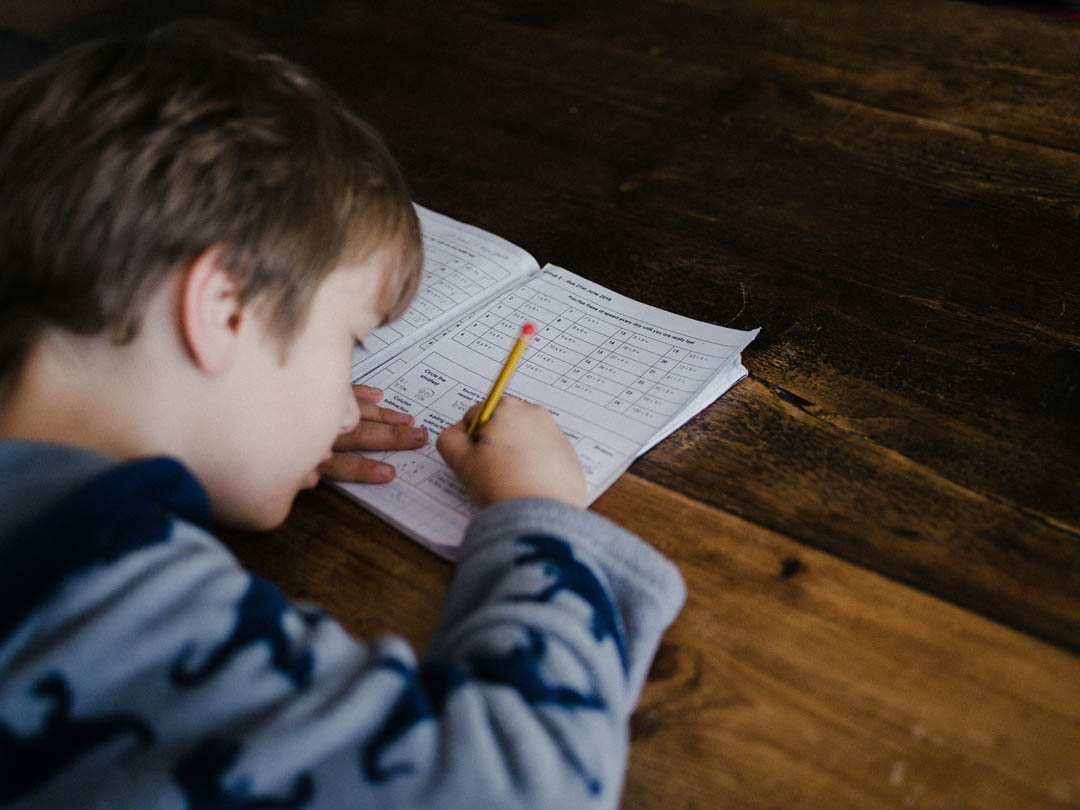
By October, some families discover that homework apparently requires two people: a child to avoid it and a parent to remain concerned about it. You remind, encourage, check, and remind again. Somehow, you seem more invested in fifth grade than
The teacher describes your child as pleasant, cooperative, and helpful. You briefly wonder whether there has been a clerical error. At home, the backpack lands, complaints begin, a meltdown follows, and a simple request becomes a major production. You listen,
There is a peculiar habit many of us have mastered. We spend years building a life we hope will make us happy-and then become too busy improving it to actually live it. We need more money. More success. Better health.
“Let me just finish this.”
It is a reasonable thing to say. We have work to complete, messages to answer and responsibilities that do not disappear because someone wants our attention. Yet we can say those five words so often
I recently came across a cocktail napkin bearing this wonderfully honest sentence: “I am not arguing. I am just explaining why I am right.”
It is funny because most of us recognize the character immediately. It may be a spouse,
Most of us have become remarkably skilled at postponing our lives.
We tell ourselves that things will settle down after this week, after the project is finished, after the kids get through this phase, after the house is organized, after
For a few glorious weeks each summer, Saratoga celebrates horses bred to run. Speed is admired. Racing is encouraged. Thousands arrive hoping to watch something move very, very fast.
Unfortunately, some of our brains seem to believe they have also
A few weeks ago, I wrote about the Sacred Pause-the brief space we create so that we do not simply react. It is about stopping long enough to settle ourselves and respond intentionally.
A choice point is related, but broader.
Last week, I wrote about the sacred pause – that small but powerful space between what happens and how we respond. It is the moment when we can choose wisdom over impulse, connection over being right, and calm over escalation.